The injury
After the Olympic Triathlon in Carcan, the next logical step for me was to signup for the longer distance, known as Triathlon L (large) in France, or Half Ironman / Ironman 70.3. 70.3 being the total distance in miles of this format, which is different of the full distance Ironman, also called 140.6.
In July 2025, I’m doing a beach volley with some colleagues, between noon and 2 pm at work. It was frequent that some football games were organized, this time we decided to do a beach volley.
I’m not good at volley-ball at all, and not used to it, but it’s fun. I’m more confident doing passes with a “manchette” style : you grab yours hands together in front of you, and use your forearms to play the ball. A few mistakes were made here :
- I only did this movement during the match
- We did a very short warmup (if any)
- I was barely using my legs while playing the ball, and was lifting my arms instead.
The next day, I was unable to lift my right shoulder above my head for a few days. The pain didn’t fade away alone, so unfortunately I had to get it checked. Turns out I had teared one of my right shoulder’s tendon.
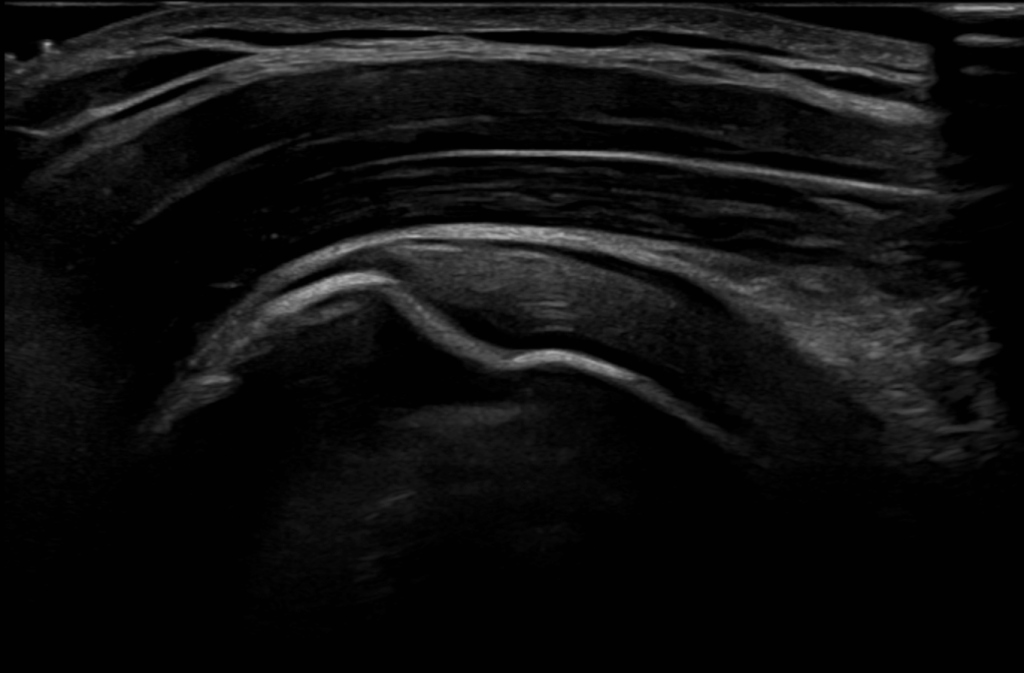
The recovery process took quite a long time, and to be honest, even at the time of writing, is still not 100% good. Months are passing by, I’m now at the end of 2025, and the pain is getting worse. The treatment I was following at this moment, was an “infiltration”. I’m no doctor, but it’s not really a treatment, it’s just a super medicament that is injected in your shoulder. It works well for a few weeks it’s a bit magic, but once it fade way, you might get a worse pain :
Because you no longer had pain signals at all for a few weeks, you started to have re-use force during swimming and lifting. But the injury is still here and you feel it only 1 or 2 months after.
By the end of 2025, I decided to listen to my physiotherapist, and stop the infiltration process and follow a rehabilitation with movement, light physical work, stretching, etc.
It takes a long time, progress is slow, but you can really feel if you’re truly recovering, and it’s not just a mask applied by a drug.
By the end of January 2026, my shoulder is getting stronger, I cant go at full speed in the water yet, but I can front crawl at a confortable pace without too much pain. I decided to signup for my first L distance, in the same city as my first triathlon, in Châtelaillon-Plage.
The plan
This time, I decided to follow a structured plan. My main goal was to finish under 6 hours, which is challengeable but doable at the same time. So I tried to look for a plan that could match this purpose, beginner friendly and also that auto uploads all the training on my Garmin, because time is valuable !
For those reading that are not familiar with what a preparation plan is : It’s a list of structured workout, with each workout having having a particular intensity and duration, that targets a specific goals. The goal of a preparation, is to alternate stress and recovery on your body, to allow it to adapt along the weeks, and getting stronger overall. There’s a lot of science and theories around all this, but what really matters is :
- A lot of easy workout, at a conversational pace (you must be able to talk during the effort), almost 80% of all your sessions will be at this intensity
- Some sessions with a very short but very intense effort
- Later in the preparation, some sessions close to targeted race pace
- Combine discipline on some session : bike after a swim session, or run after a bike session
- Train in open water, to get used to sighting and the swimsuit
- Eat a lot of protein and carbs, and also lot of fibers. Well just eat a lot, but not garbage
- Sleep well, at least 8hours
- Generic physical training
A structured plan is divided in blocks or periodization, a real plan is more detailed with more granularity, but that’s roughly how it’s divided :
- Base phase
The goal is to prepare the body for future weeks :- Only easy workout
- Lots of technical-oriented drills (mainly for swimming)
- Gradually ramp up numbers of hours
- Set an habit for training
- Do not get injured
- Build strength and endurance phase
The goal is to getting overall faster and stronger :- Still lots of easy workout
- Add intense sessions to push your body
- Add speed and strength
- Do not get injured
- Specific / pre-race trainings
The goal is to get closer to race-conditions- Add workouts with target race-pace
- Train with race specific items : wetsuits, nutritrion, etc…
- Add “brick” sessions : swim then bike, or bike then run, etc…
- Add open water swimming sessions, focus on sighting
- Do not get injured
If you want to deep dive into that aspect, I recommend to read “The triathlete training Bible” by Joe Friel.
How to choose a plan ? Well, that’s a question everyone have once they settled for a goal. Given the fact that I’m new to the sport, and that It’s my first 70.3, any plan for beginner would work, but I had two criterias :
- That auto-updates on my watch. I didn’t wanted to manually create and add each workout
- Cheap
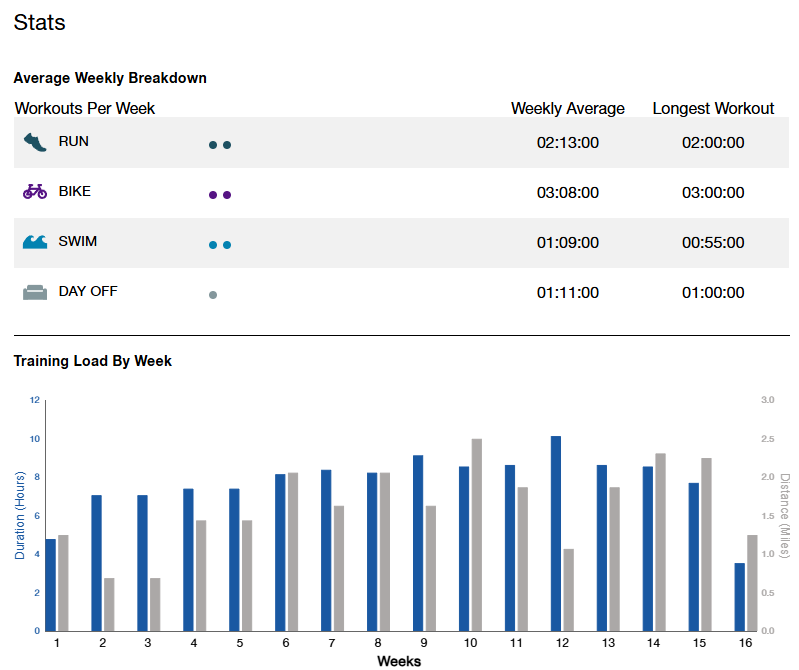
I settled on Vincent Sesto’s “Beginners Half Distance Triathlon 16 weeks training” on trainingpeaks.com. The overall number of session and hours per week were fine to me, and most workout were based on RPE (Rated Perceived Effort) rather than pace. It means that it’s up to you to define what’s an 7/10 effort, rather than have to follow a specific speed for running, or a specific number of watts to push on the bike.
The training
Well, to be honest, not much to say 😀 It felt long and quick at the same time. The plan started at the end of January and ended on May, right before the race. Then plan was great, it started really easy for the first few weeks, and then sessions got longer on weekends. My typical week looked like that :
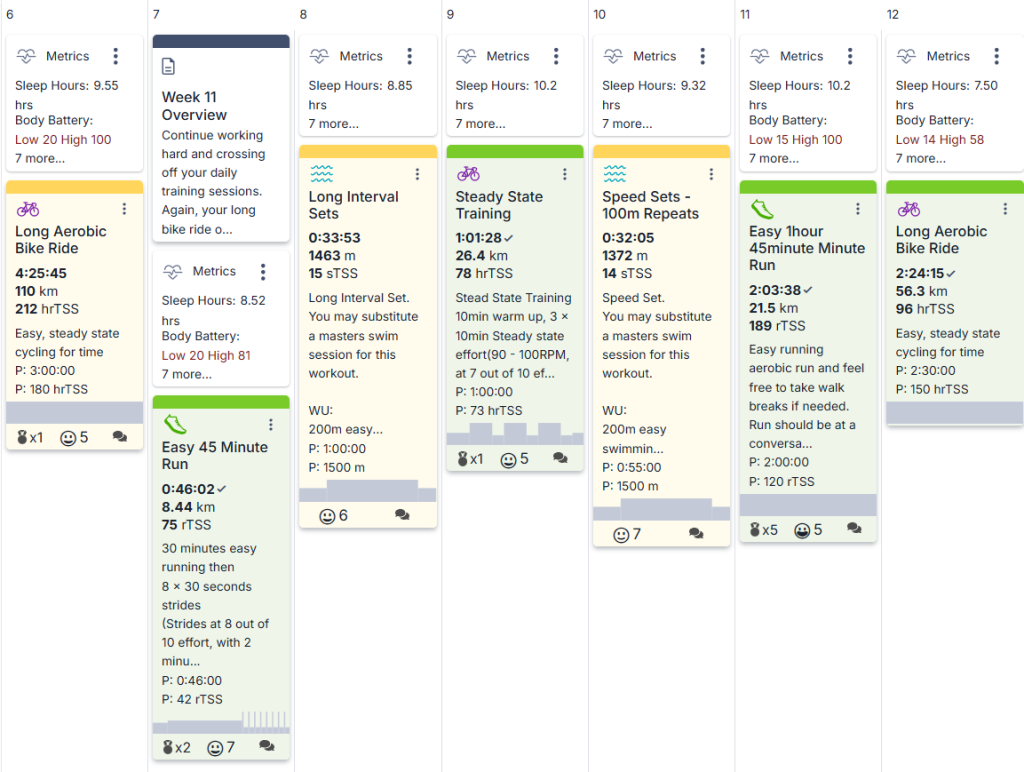
- 2 runs and 2 bike sessions :
- 1 long and easy
- 1 with intervals
- 2 swim sessions :
- 1 focused on technique
- 1 with intervals
- Some weeks included open water / bricks sessions
It is not super fancy or anything, but it’s during that time that you’re really competing in the end. During the race you’re just harvesting your months of efforts, training is done in the shadow but that’s what really matters ! The first of the race is not someone who raced better, it’s someone who trained better. But it’s not very fun to write about this period so I’ll skip the boring details !
I’d like just to point something : Try to listen to your body. The plan is a guideline, that you must try to follow at your best. However listening to your body is the most important, and you need to adapt, pause or stop the training if needed.
The barrier
I hit a barrier.
Not a mental one, a metal one, head first. I know my mom is reading : I had absolutely no injury, more fear than anything. Let me explain :
In Bordeaux where I live, there used to be some docks and old hangars that have been re-habilitated 25 years ago. They made it great to shop, walk around, eat, etc… the area is often crowded, and at this specific section, it’s a bit narrow :
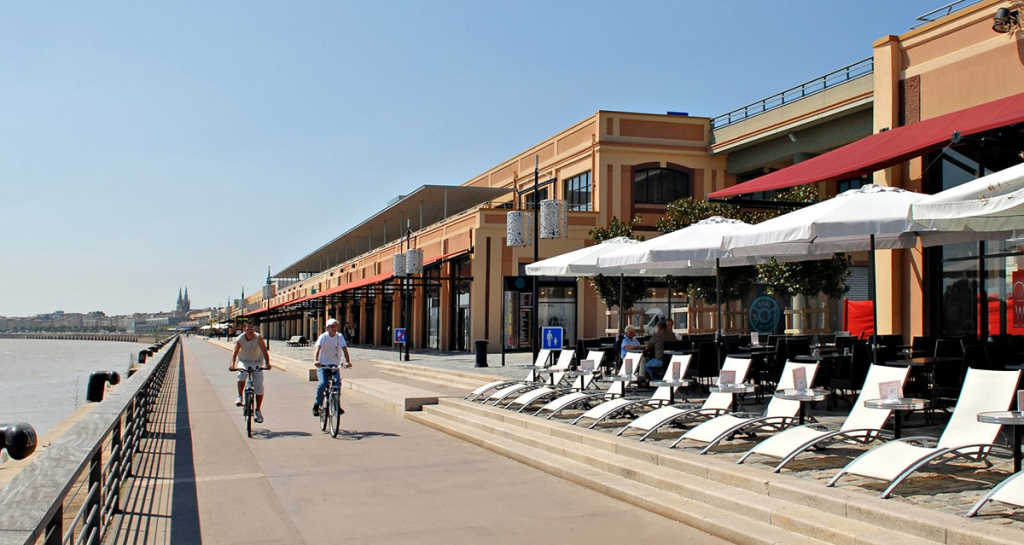
One more thing : the type of coating they use on the ground is very very smooth. Imagine a very good asphalt, the type of rubber where you can feel very little resistance and you can get very fast. It’s that type of material, but even better, since it’s not really asphalt, but something smoother. It’s very easy to gain speed and it’s very fun to ride one.
But like I said, it’s a popular place so most of the time you have to ride defensively, leave space to pedestrian, watch for dogs / kids, etc… not a place to go fast.
Except very early in the morning, or on a sunday evening, especially if it’s a bit rainy. You see me coming, it’s one of those days : it’s a bit dark and rainy around 8pm in February, most people are at home and you’ve got all the space for you, you feel a small wind pushing you from behind, you’re coming back from a 2 hours aerobic ride that was at an easy pace, you want to crush the pedal and feel the speed, head in the extension bar, and here we go.
I alternate between looking in front of me, and getting my head tucked i, since my back/neck is a little sore and it allows me to rest a bit along getting more speed. I look one more time in front, and a barrier suddenly appears in front of me. The split second I have before the crash allows me to tense my muscle and turn my head back in so the helmet is in front.
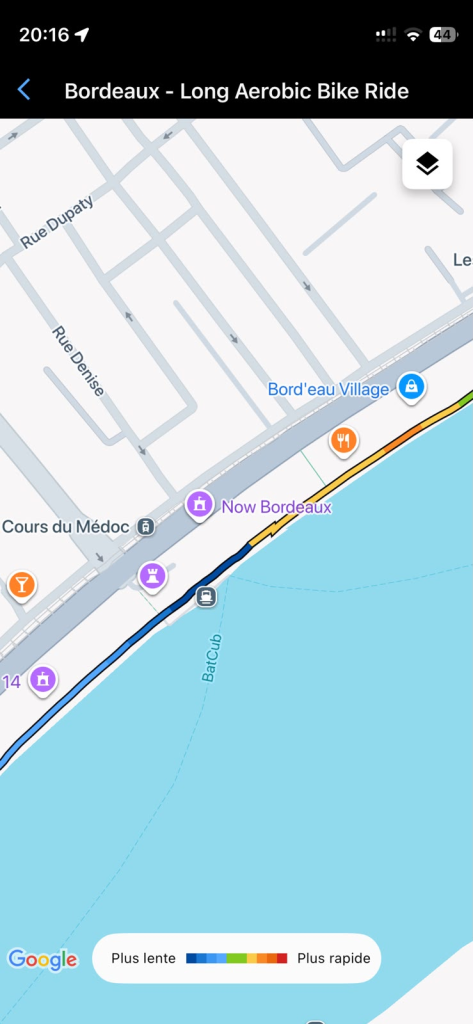
Luckily it’s some construction site barrier that is builded with a strong metal on the frame, but the main wire mesh is rather “soft”. Well, when I mean soft, it’s not like you can just twist it easily with your hand, but if you’re going full speed in with a bike, turns out it’s rather soft. So I get up and beside a tiny pain in the neck (just like when you take a nap in a bad position), everything is where it’s needed to be.
My bike also was ok, no injury for both of us. The barrier on the other hand, had seen better days.
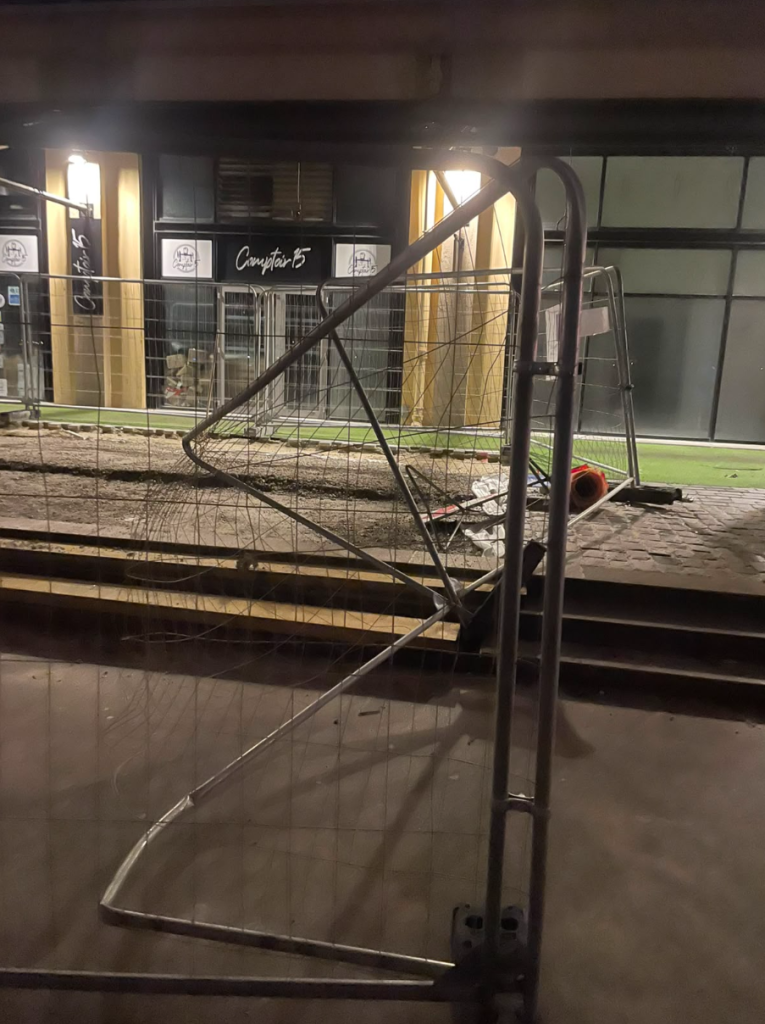
So how was I not able to see it : for my defense, the barrier did not have any visible sign that a site work was on going there. Probably site workers and did not though of people going 35 km/h there also. I know like that it’s hard to believe that you can’t see it, but for me it’s 50/50 responsibility, I was going too fast and not checking regularly enough, but with clearer signs chances I would avoided it. Going back there the next day the work site people added some visibility signs (the truck wasn’t here the night before also) :
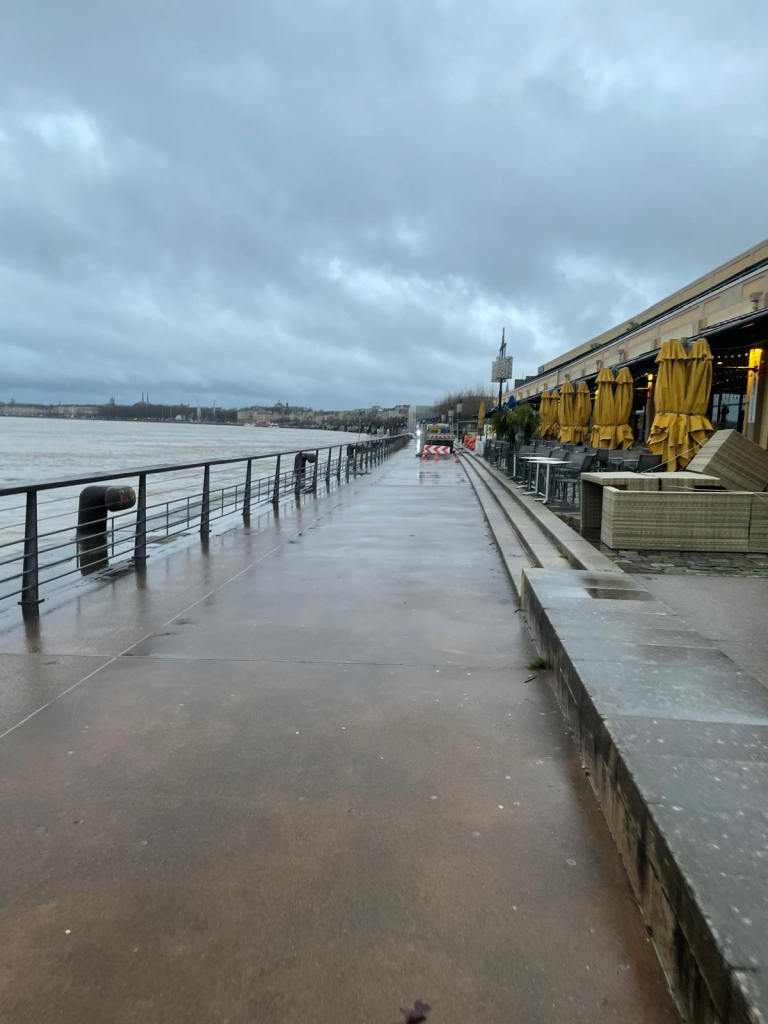
Now my nephew calls me, “uncle barrier”. Moral of the story :
- Ride even more defensively
- Cycling is inherently dangerous, even if you’re cautious
Pre-race days
I might have spent too much time writing about this barrier, but fast forward a few months later, preparation is done, race is in less than a week.
The typical plan reduce drastically the volume of training during the last week, you just need to go out for a very short and easy run or bike session. However, I didn’t felt like following the plan at this stage. I decided to swim 2km non-stop on Monday to print the pace in my head, and then nothing, I listened to my body, and had a full resting days after.
We stayed in a hotel with my parents and my significant-other, it was chill and a very privileged moment.
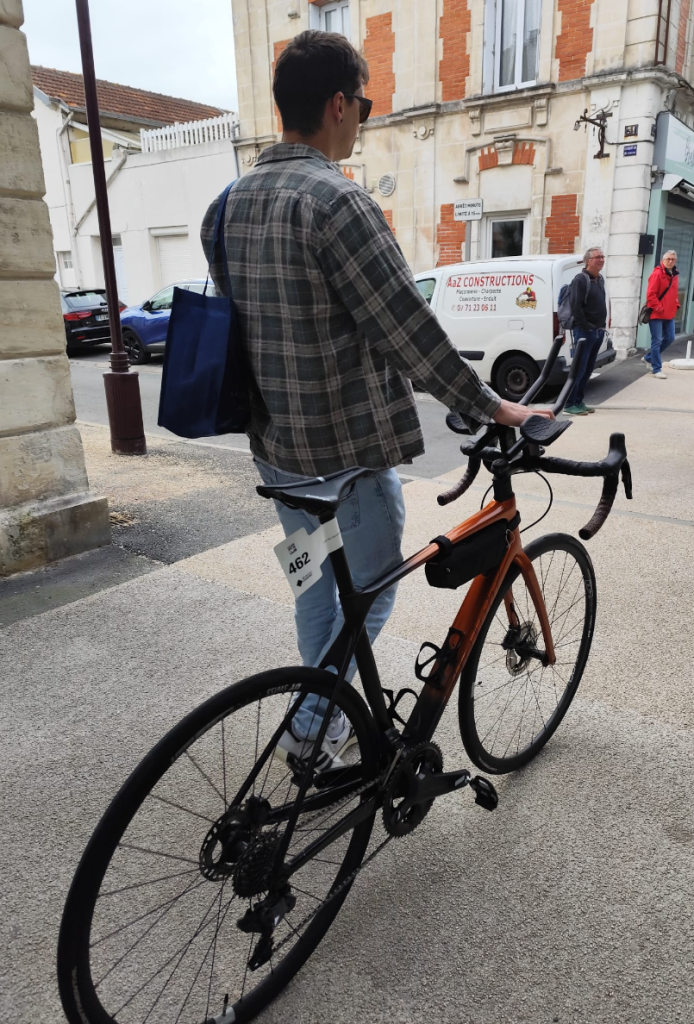
The day before, time to grab the bib, the administrative stuff and leave the bike in the park. Stress is slowly (but surely) increasing.
Race day
Here we are, I get up at 5am, and on a mission I am. Breakfast, shower, etc…
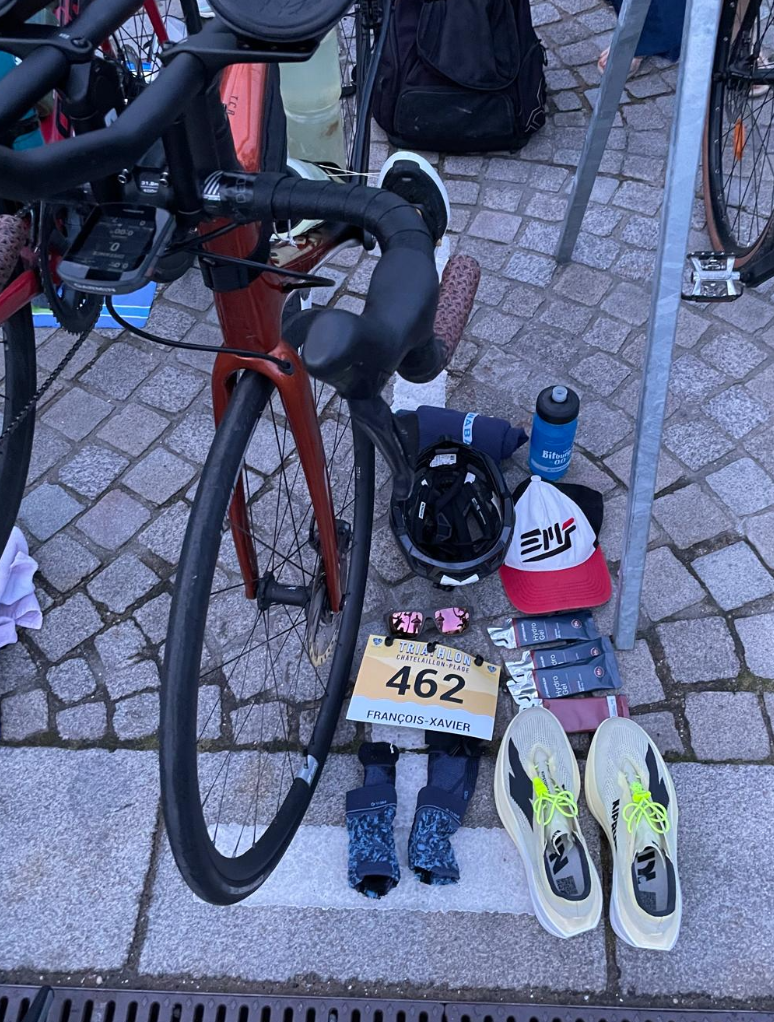
We leave, I head to the bike park to lay the last stuff needed right next to my bike :
Off we go to the beach, ready for the start, scheduled at 7am.
The swim
Off we go for a 1,9km swim in the ocean, it’s a mass start but boys first, women after, to avoid having too much people at once.
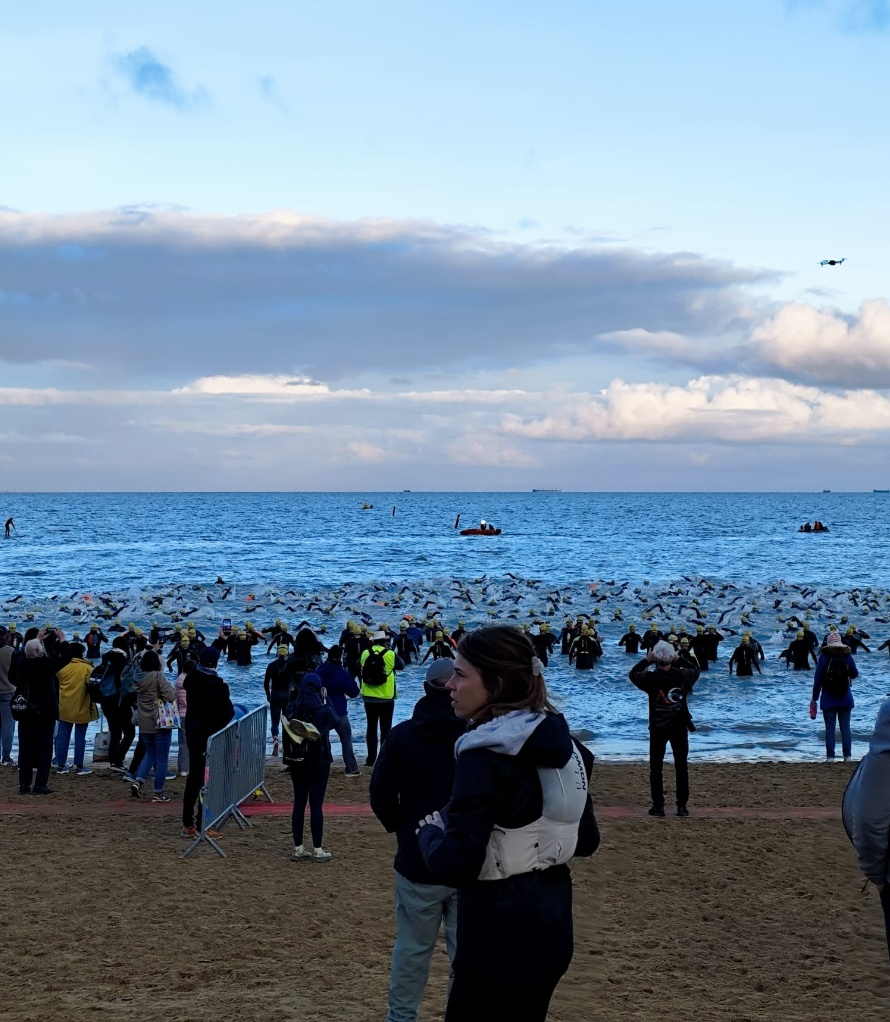
The swim was okay, I purposedly tried to keep my hear rate low and focus on setting my pace. In swimming, about 5/10 mins in, your body starts being “on track”. Your heart rate is stabilizing, you found a rhythm, you no longer starts thinking extensively of the swim itself. That’s the sensation you want to find in a start of a long distance triathlon !
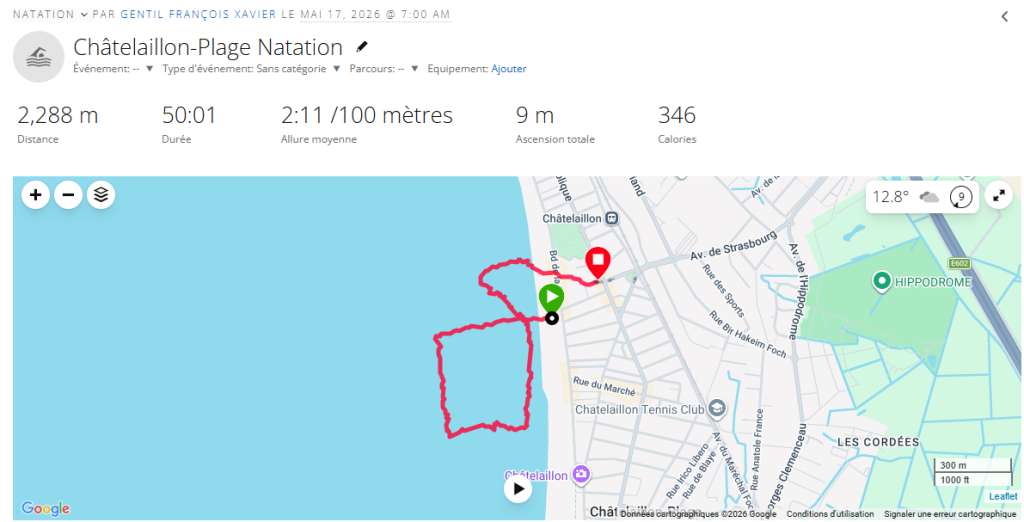
But I still have some trouble sighting, especially in the end, where I was getting closer to the shore on my right, so I decided to correct this and did a turn to the left.
Turns out I went too far off on the left, I only realized it at the end, where I had a rescuer on a paddle on my left. This is often a bad sign, since those guys put themselves at the “edges” of the races. It usually means you’re bit off track / far, he didn’t told me anything, he was just keeping an eye on me, he saw that I saw him, and that’s where I gave a closer look in front and saw the finish line to my front right. I decided to speed up since I was at the end.
On Monday I was able to hold 1,9 km in just 40 minutes (so 2min/km), so I’m not too far off given the fact that you need to sight and swim with people around, but to be honest I thought I could have got closer to the 40 mins. It’s ok I’ll get better 😊.
Off the swim, I see my parents and Océane. Océane bought a megaphone, because when she cheered for me at others races, I often couldn’t see her, because there were a lot of people around (and she’s not the tallest woman also). Getting off the water is a very great feeling, as it’s the scary part of triathlon to me, and seeing them is a double recompense.
The bike
I quickly remove my wetsuit, and grab my bike and bike stuff. The trick part here is it’s the first time I decided to attach the shoes directly on the bike, leave the bike park bare-foot, and after only get on the bike and put on the shoes while biking. So I did tried a few time this while training, but It’s not natural yet. So I was focused on not falling in front of everybody !
On the bike it was very chill, weather was great, not too hot, little to no wind, and the scenery was cool. Within 5 minutes you’re getting away from the city, the race, the sound, the people and you’re pedaling with the guys you was just swimming before.
As I’m a poor swimmer, I’m trying to catch up people on the bike, while keeping some gas for the semi-marathon. But as most triathlete are relatively poor swimmers, it’s not so easy to catch them. Plus the fact that it’s the first time doing this distance, I dont want to pass them to see them again on the run. Worst feeling !
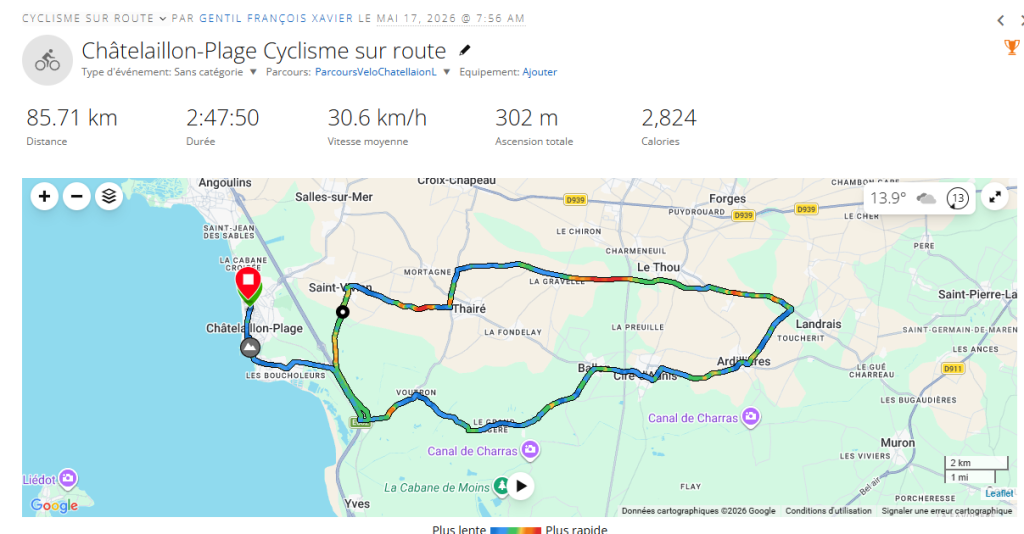
The bike circuit is 2 loop of 35km each, something like that. I’m quite happy with how it went, I tried to drink and eat a lot, since it’s easier to fuel on the bike than later on the run.
I caught a little storm / lot of rain during a very short time by the end of the bike session. Since I was coming back to Châtelaillon, I was focused on not falling on some painted lines / manhole cover / sharp turns, all this little traps.
I see my favorites supporters and also 2 friends of mine that I wasn’t expecting, all cheering, while I was arriving ! It was very cool, but no time to fully enjoy it since I was focusing on removing my feet from my shoes while pedaling.
The run
I left my bike, grab my running shoes, and off I go. I feel surprisingly fresh. I did not feel so much fatigue in general and in my legs also. So I started off at a fast pace for me, which is 5 mins/km (12km/h). I was able to finish Bordeaux semi-marathon in 1h51, so around 5,17 mins/km. Looking back it was a bit tendentious to hold this pace, which would result in my personal best, after already 4 hours of racing.
But you’re buffed during a race, your body is fueled by your training of course, but since you’re preparing for so much time, you can hold a pace you cant during a standard training sessions, due to euphoria.
So I was getting in the first 7km loop (out of 3) and start noticing something. I wont be able to last that pace at all for the full semi-marathon. I just felt that even though I wanted, my legs couldn’t hold that speed, they were getting heavier at every step. So I focused on everything else but this, but it became a long and steady decrease of pace though the run.
So a lesson is learned, it’s called pace discipline. Even if you’re feeling fresh off the bike, you must stick to a slower pace that what you feel you can achieve. The real run starts around km 14 /15. Before that, you must still keep enough fuel in the tank. It’s a bit hard since you’re doing this since 4 hours. But it’s not yet the time to let your legs go as fast as they want. In your mind, you’re not starting a semi-marathon, you’re finishing a long triathlon. So in my mind it was time to let things go off, but it was not.
Last 7km loop arrives. at each loop, you’re getting very close of the finish line, and you see people going straight there and finishing. But you, you must go back for another loop. It’s a bit of mind crushing experience in a way, but also you know exactly how much there is to go left, comparing to a single loop of 21km, where without watch, you just don’t know.
You might have noticed I dont have any Garmin activity to show. Well it’s easy to explain why : my watch just gave up during the run. No more battery. So I wouldn’t recommend a fore-runner 245 for a half Ironman distance. Some evil-minded people might say that if was fast enough, it would be enough to cover the whole event. But I will stick to the idea that it’s the watch that is not strong enough, not me.
So I wont lie : the last loop was a purge. It was the hardest thing I have ever done. At that point, my body is yelling to stop, but it was not possible, I’m okay to run slower, but walking is out of the choices I have.
It’s a weird feeling, at that time, after 5 hours and a half of racing, you share a common experience with other triathletes. You don’t know anything about them, but you’re both sharing already something important and ongoing.
I keep seeing a guy walking, then running, then walking again. We pass each other a few time, I try to cheer up and try to get him to the finish line. We decide to finish together, we’re both helping each other by sticking together.
We finally have the finish line in front of us, I grab his hand and we start running very fast, all out, you know it’s the end. Getting there is amazing, you though about this moment during hours and hours of trianing. Right before crossing the finish line, a referee is yelling at us “PENALTY ! PENALTY”. Turns out you’re not allowed to help another competitor, and grabbing hands is considered as such. But we don’t care, we just shared 5 km of our hardest day ever, we gonna finish hand in hand no matter what. Mathieu, if you’re reading this, it was cool experience to share !
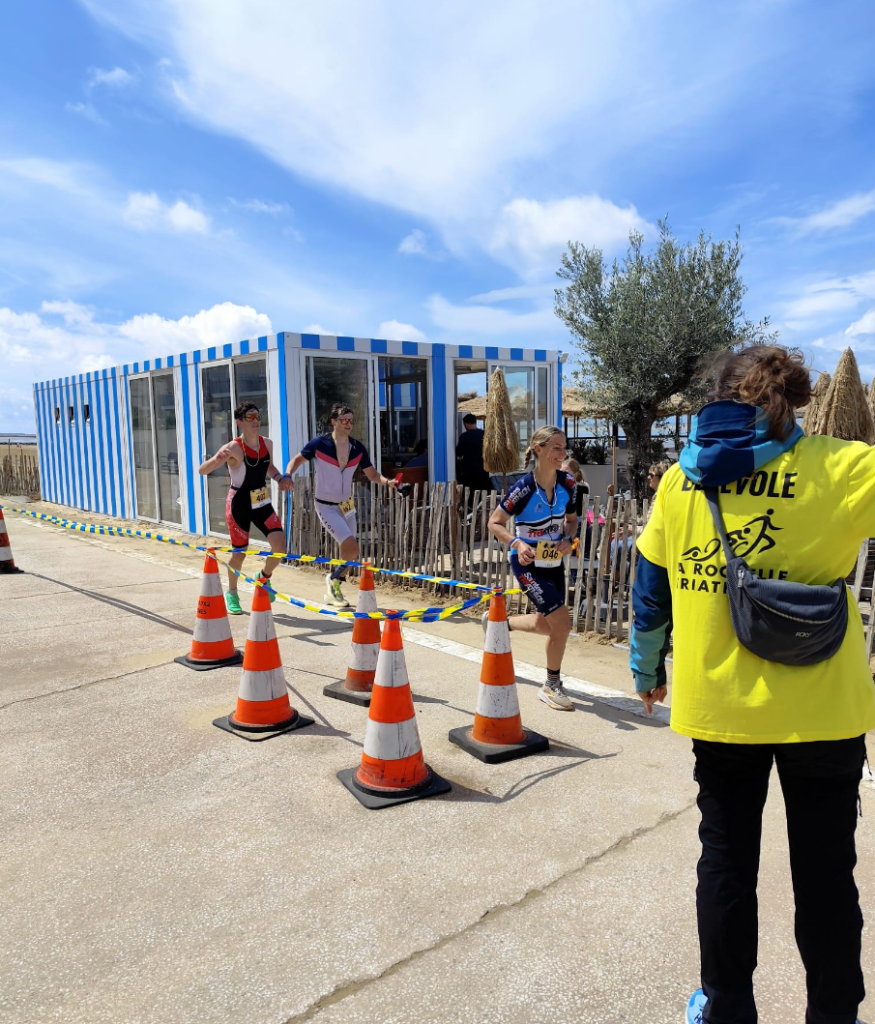
So we cross, we hug, and it’s done 🙂. Run time is 01:55.
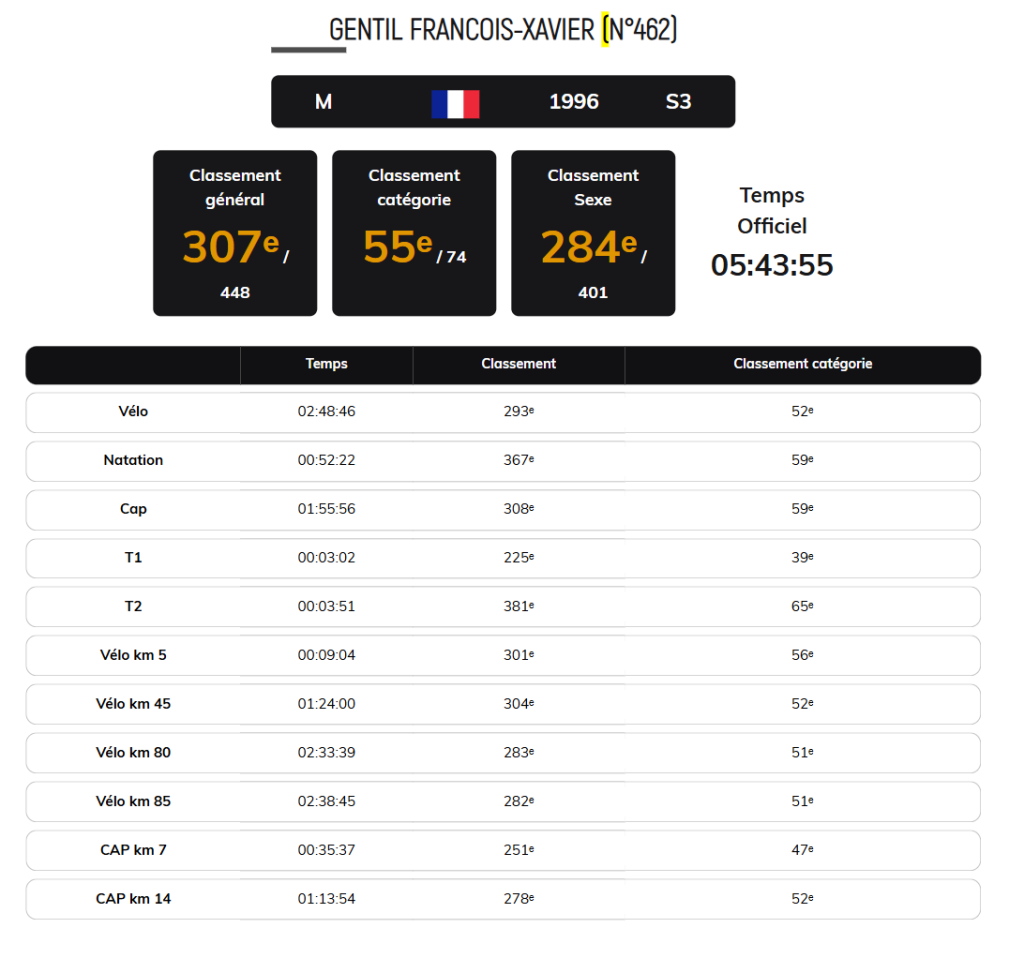
Final time is 5h43, my goal was to be under 6 hours, mission completed !
The aftermath
Right after the run, I feel like I cant walk, due to my ankles, I head to the physiotherapist tant to get some help and massages. I know this pain, I already had it during my previous semi-marathon. I didn’t wrote much about my specific medical conditions, but if running is harsh for most people body, it’s harsher for me. My ankles does not have the mobility and my calf the power to absorb well all the shocks. I’ll have a lot of trouble to walk for about 5/7 days after.
I’ll detail later in another post the problem of running with clubfoot, how it feel and what it does. But right now that’s it, I’m a proud half Ironman (minus 4,2km on the bike) finisher 🙂.
Leave a Reply